Dolphins, Whales & Other Ocean Giants of St. Thomas
Dolphins, Whales & Other Ocean Giants of St. Thomas
A Complete Guide to the Marine Mammals and Pelagic Wildlife You May Encounter in the Waters Surrounding St. Thomas, U.S. Virgin Islands
Introduction
While coral reefs and tropical fish are among St. Thomas' biggest attractions, the deeper waters surrounding the island are home to some of the Caribbean's most awe-inspiring wildlife.
Pods of playful dolphins occasionally race alongside boats. Humpback whales pass through the Virgin Islands each winter during one of the world's most remarkable migrations. Flying fish burst from the ocean's surface, and large pelagic fish patrol the blue water beyond the reefs.
Unlike reef animals that spend their lives in relatively small territories, these species travel vast distances across the Atlantic and Caribbean. Every encounter is unique, making them some of the most exciting wildlife sightings in St. Thomas.
Whether you're relaxing on a private boat charter, cruising between islands, or simply watching the horizon from shore, you never know what might appear.
Why the Waters Around St. Thomas Attract Large Marine Animals
St. Thomas lies within an important marine corridor connecting the Greater and Lesser Antilles.
Several factors make these waters attractive to marine mammals and pelagic species:
Warm tropical temperatures year-round.
Deep water close to shore.
Productive offshore currents that support baitfish.
Nearby reefs and seagrass beds that sustain the broader food web.
Protected marine areas that help preserve habitat.
Although sightings can never be guaranteed, the island's location makes it an excellent place to appreciate the diversity of Caribbean marine life.
Dolphins of St. Thomas
Bottlenose Dolphin
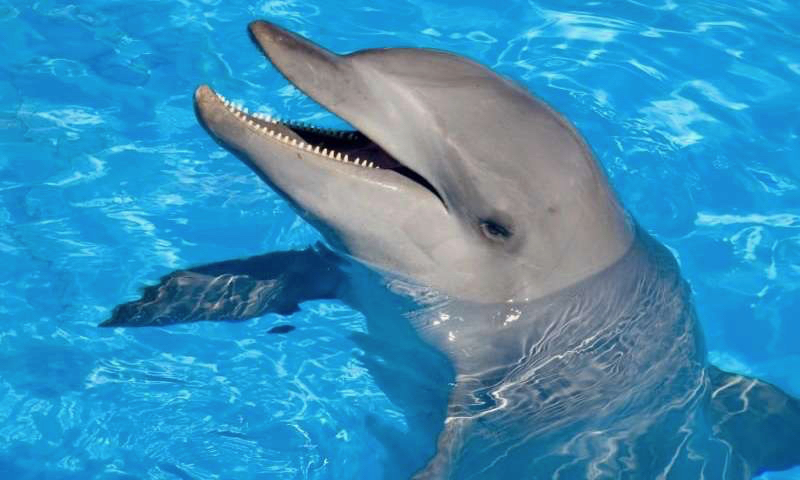
The bottlenose dolphin is the species visitors are most likely to encounter.
Known for their intelligence, curiosity, and playful behavior, bottlenose dolphins often travel in small pods and may approach boats out of curiosity.
Identification
Smooth gray body
Curved dorsal fin
Distinctive elongated snout ("bottle nose")
Usually 7–12 feet long
Behavior
Travels in pods of 2–30 individuals.
Frequently seen surfacing together.
Sometimes rides the pressure wave created by moving boats.
Communicates through whistles, clicks, and body language.
Watching dolphins interact with one another is often just as memorable as seeing them leap from the water.
Atlantic Spotted Dolphin
Occasionally found in deeper offshore waters.
Identification
Gray body covered with white spots that become more pronounced with age.
Smaller and more streamlined than bottlenose dolphins.
These dolphins are highly social and often travel in energetic groups.
Spinner Dolphin (Occasional Visitor)
Although less common around St. Thomas than in some other tropical destinations, spinner dolphins are famous for launching themselves into the air while rotating several times before reentering the water.
Their acrobatic displays are among the most spectacular behaviors in the animal kingdom.
Humpback Whales
Winter's Most Spectacular Visitors
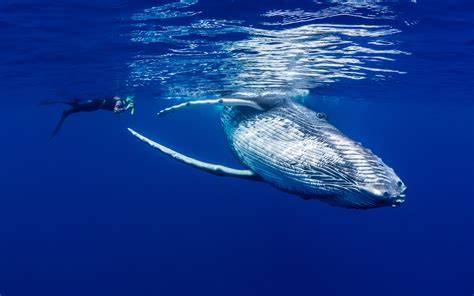
Each winter, humpback whales migrate from the cold feeding grounds of the North Atlantic to the warm waters of the Caribbean to breed and give birth.
Although neighboring St. John and the Virgin Islands National Park are better known for whale sightings, visitors exploring offshore waters around St. Thomas may occasionally witness these gentle giants during migration season.
Identification
Massive black body
Long white pectoral fins
Knobby head
Distinctive tail flukes
Size
Length: 40–60 feet
Weight: Up to 40 tons
Best Time to See Them
Late December through April, with peak activity often occurring from January through March.
Pilot Whales
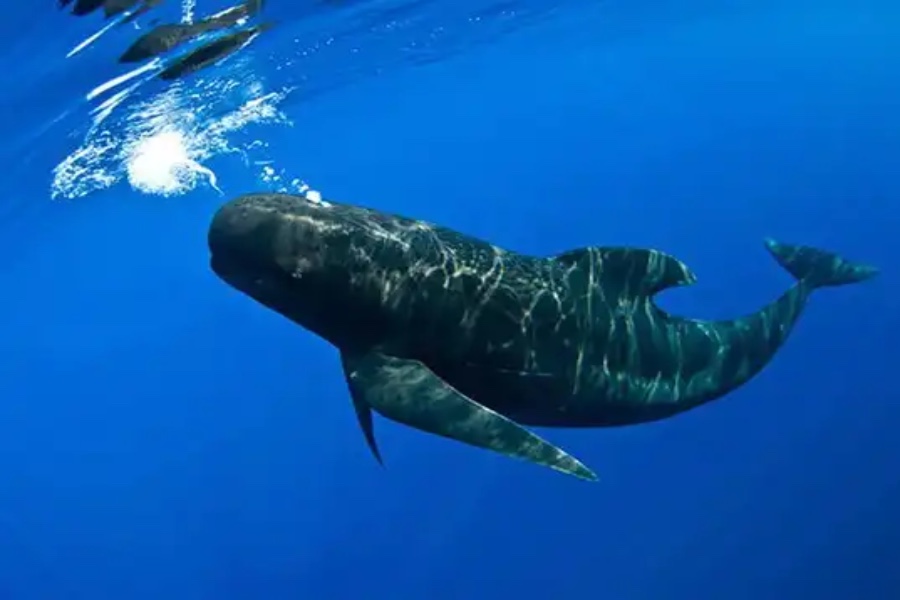
Pilot whales are actually one of the largest members of the dolphin family.
Although sightings around St. Thomas are uncommon, they occasionally travel through deeper offshore waters.
Identification
Rounded forehead
Dark gray body
Curved dorsal fin
They are highly social animals that usually remain with their pod.
Flying Fish
One of the Caribbean's most entertaining surprises.
When startled by predators, flying fish launch themselves from the water and glide remarkable distances using enlarged pectoral fins.
Although they don't truly fly, they can remain airborne for hundreds of feet before returning to the sea.
Seeing a school of flying fish scatter across calm water is a memorable experience during offshore boat trips.
Sea Birds That Signal Ocean Life
Experienced captains often watch birds as closely as they watch the water.
Large groups of feeding birds can indicate schools of baitfish below, which may attract dolphins, tuna, or other predators.
Keep an eye out for:
Brown Pelicans
Magnificent Frigatebirds
Royal Terns
Laughing Gulls
Brown Boobies
Bird activity can be one of the best clues that something exciting is happening beneath the surface.
Large Pelagic Fish
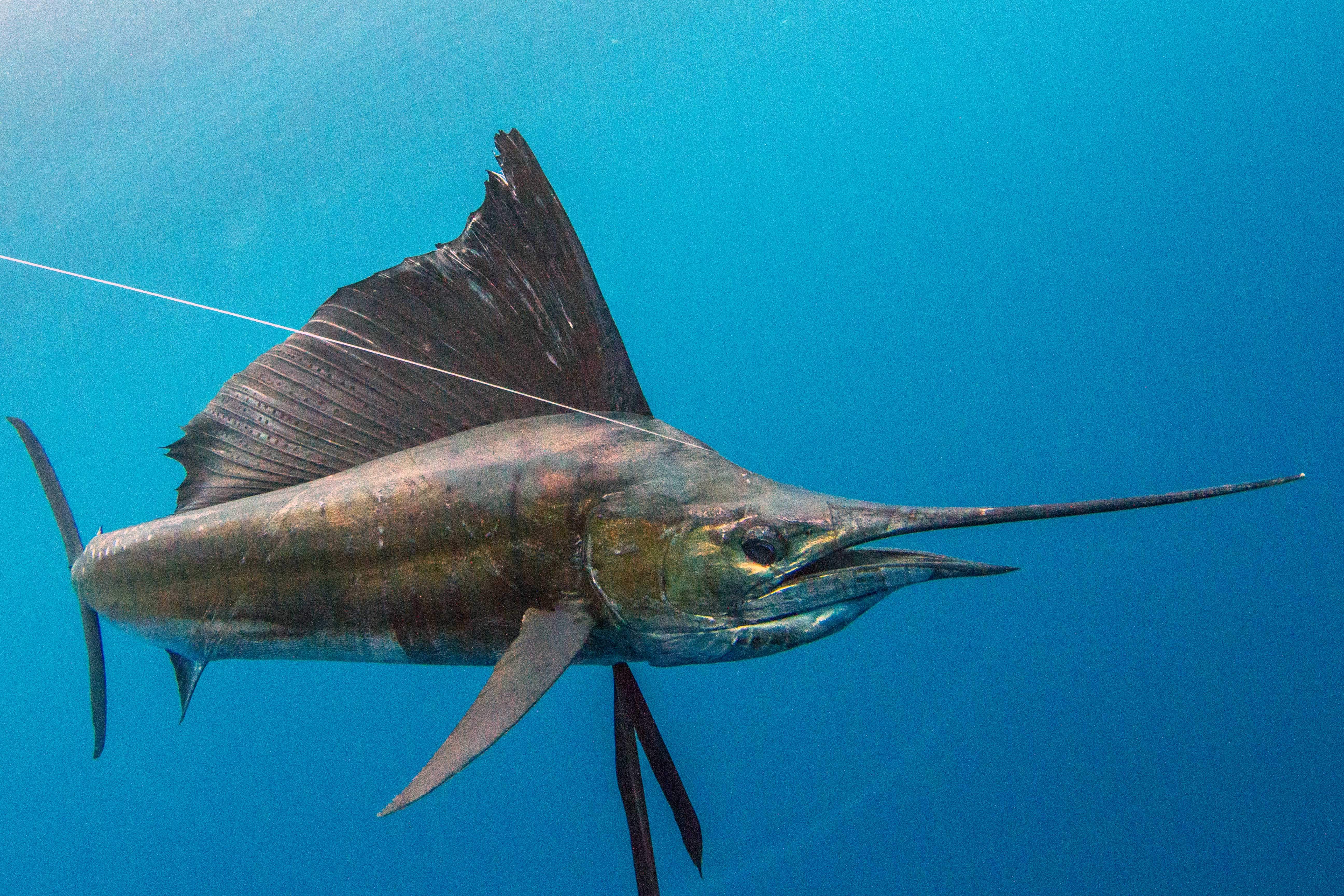
The deep blue waters surrounding St. Thomas are home to powerful open-ocean fish, including:
Mahi-Mahi (Dolphinfish)
Wahoo
Yellowfin Tuna
Blackfin Tuna
King Mackerel
Sailfish
Blue Marlin (rare but prized by offshore anglers)
While many visitors never see these species, they contribute to the healthy offshore ecosystem that supports marine mammals and other predators.
Best Ways to Spot Ocean Wildlife
Wildlife encounters depend on patience, weather, and a little luck, but certain experiences improve your chances.
Private Boat Charters
A private charter allows your captain to adjust the route if dolphins or whales are spotted, giving you flexibility that larger group tours often don't have.
Island-Hopping Trips
Traveling between St. Thomas, St. John, and nearby islands increases the amount of time spent in open water.
Offshore Fishing Excursions
Even if you're not fishing, offshore trips often pass through habitats where dolphins and flying fish are commonly seen.
Scenic Coastal Cruises
Watching the horizon during a relaxed cruise can be surprisingly rewarding, especially during whale migration season.
Responsible Wildlife Viewing
Seeing marine mammals in the wild is a privilege.
Help protect them by following responsible viewing practices:
Observe from a respectful distance.
Never attempt to swim toward dolphins or whales.
Avoid making excessive noise.
Allow animals to approach on their own terms.
Follow the guidance of your captain and local regulations.
The goal is to witness natural behavior without disturbing it.
Fun Facts About Ocean Giants
Humpback whales are famous for their complex songs, which can travel for miles underwater.
Dolphins sleep with only one half of their brain at a time, allowing them to continue surfacing to breathe.
Flying fish can glide over the ocean surface at speeds exceeding 35 mph.
A humpback whale's heart is about the size of a small car.
Dolphins use echolocation to "see" their surroundings through sound.
Frequently Asked Questions
Can you see dolphins in St. Thomas?
Yes. Bottlenose dolphins are occasionally seen in the waters around St. Thomas, especially during boat excursions.
Is whale watching available?
While there are no guarantees, humpback whales migrate through the Virgin Islands during the winter months, making seasonal sightings possible.
What time of year is best for whales?
January through March generally offers the best opportunity, although whales may be present from late December into April.
Are dolphin sightings common?
They are never guaranteed, but many boaters and charter guests report occasional encounters throughout the year.
Will dolphins swim alongside my boat?
Sometimes. Dolphins may ride the bow wave of moving boats for short periods, but encounters depend entirely on the animals' behavior.
Continue Exploring
Keep exploring the incredible marine life of St. Thomas with these guides:
Complete Marine Life Guide
Sea Turtles of St. Thomas
Tropical Fish Identification Guide
Sharks & Rays of St. Thomas
Coral Reefs of St. Thomas
Best Snorkeling Spots in St. Thomas
Private Boat Charter Guide
Final Thoughts
Not every unforgettable wildlife encounter in St. Thomas happens beneath the surface. Sometimes, the most magical moments unfold on the open sea—a pod of dolphins racing beside your boat, a humpback whale surfacing in the distance, or a flock of seabirds revealing the hidden activity below.
These ocean giants remind us that the Caribbean is far more than beaches and reefs. It is part of a vast, interconnected marine world where every journey across the water carries the possibility of witnessing something extraordinary.