Octopus, Lobsters & Other Amazing Sea Creatures of St. Thomas
Octopus, Lobsters & Other Amazing Sea Creatures of St. Thomas
A Complete Guide to the Fascinating Invertebrates You'll Discover While Snorkeling, Diving, and Exploring the Waters Around St. Thomas
Introduction
Not every unforgettable marine encounter in St. Thomas comes from spotting a sea turtle or a colorful tropical fish.
Sometimes the most fascinating creatures are also the easiest to miss.
Tucked beneath coral ledges, hidden inside rocky crevices, or slowly moving across the seafloor are some of the Caribbean's most intelligent, unusual, and overlooked marine animals. From masterfully camouflaged octopuses to armored lobsters, colorful shrimp, giant queen conchs, and tiny Christmas tree worms, these invertebrates play essential roles in keeping reef ecosystems healthy.
Unlike fish, these animals don't have backbones. Instead, they rely on shells, exoskeletons, soft bodies, or remarkable camouflage to survive in one of the ocean's most competitive environments.
Whether you're snorkeling in shallow water or diving along deeper reefs, learning to recognize these incredible creatures will make every underwater adventure more rewarding.
What Are Invertebrates?
An invertebrate is any animal that lacks a backbone.
While they may not receive the same attention as sharks or sea turtles, invertebrates make up the overwhelming majority of marine animal species.
Around St. Thomas, they:
Filter seawater
Recycle nutrients
Clean reefs
Control algae
Feed larger marine animals
Build habitat for countless reef species
Without them, Caribbean reefs simply couldn't function.
Caribbean Reef Octopus
The Master of Camouflage
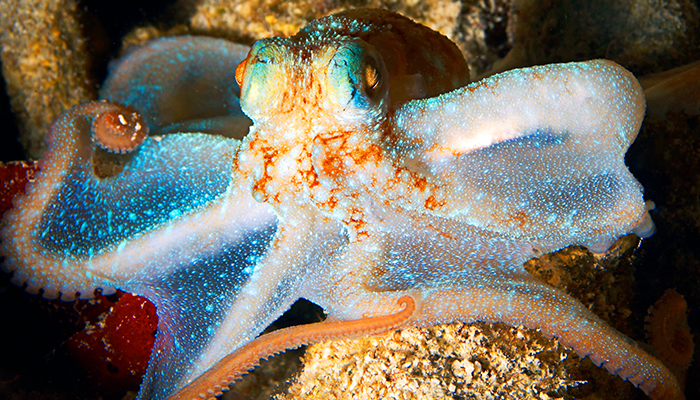
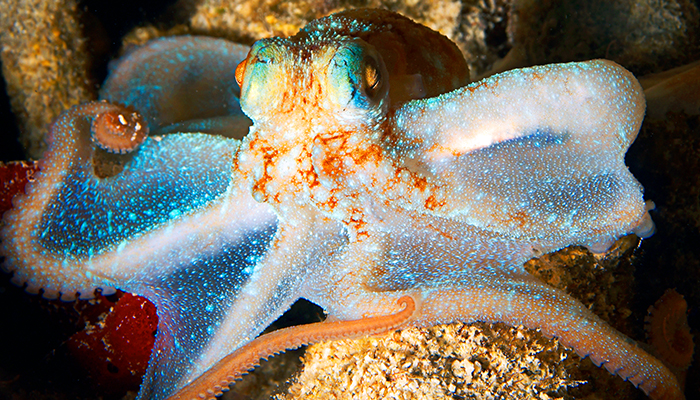
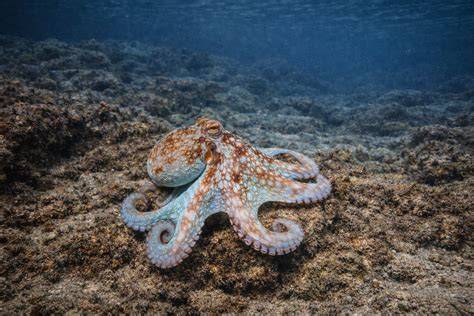
Few marine animals capture the imagination like the Caribbean reef octopus.
Highly intelligent and almost unbelievably adaptable, octopuses can change both their color and skin texture in a matter of seconds, blending almost perfectly into rocks, coral, or sand.
Identification
Eight arms lined with suction cups
Rounded head
Large expressive eyes
Smooth skin that can instantly change texture
Size
Typically 1–3 feet from arm tip to arm tip.
Habitat
Rocky shorelines
Coral reefs
Hidden crevices
Under ledges
Diet
Crabs
Shrimp
Lobsters
Small fish
Mollusks
Behavior
Octopuses are generally solitary and most active around dawn, dusk, and at night. During the day, they often remain hidden inside dens made from rocks or coral.
Caribbean Spiny Lobster
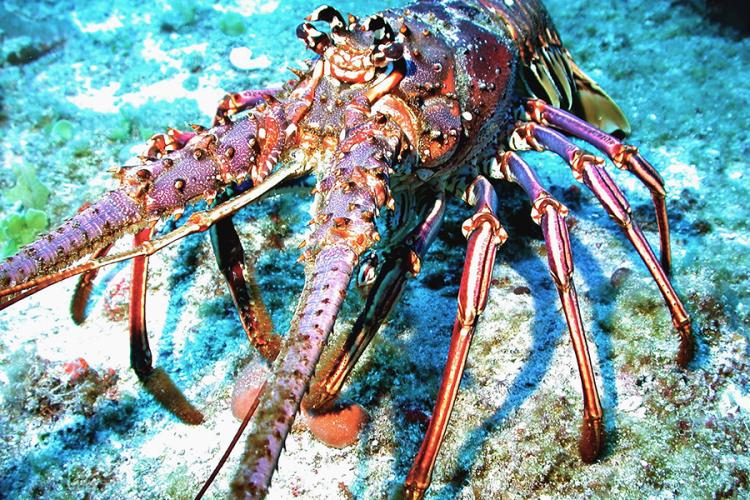
The Reef's Armored Resident
Unlike the lobsters served in restaurants, Caribbean spiny lobsters lack large front claws.
Instead, they rely on thick antennae and a heavily armored body for protection.
Identification
Long spiny antennae
Orange, brown, and cream coloration
Segmented tail
No oversized claws
Habitat
Coral ledges
Rocky crevices
Underwater caves
Behavior
Spiny lobsters often hide together during the day and venture out at night to forage for food.
Queen Conch
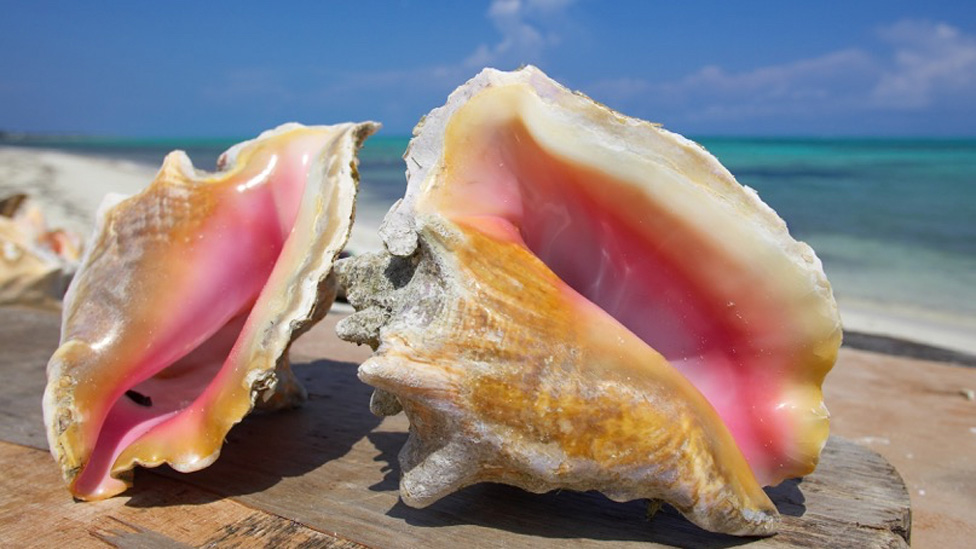
One of the Caribbean's Most Iconic Shells
The queen conch is one of the largest marine snails in the Caribbean.
Its beautiful spiral shell has become a symbol of island life, but many visitors don't realize it's home to a living animal.
Identification
Large spiral shell
Pink interior
Thick outer lip
Long eyestalks
Habitat
Seagrass meadows
Sandy bottoms
Shallow lagoons
Diet
Conchs feed primarily on algae and organic material found on the seafloor.
Because of overharvesting in parts of the Caribbean, visitors should admire live conchs where they are rather than collecting them.
Hermit Crabs
Nature's Tiny Recyclers
Hermit crabs don't grow their own shells.
Instead, they occupy abandoned snail shells, switching to larger homes as they grow.
Watching a hermit crab carefully inspect a new shell before moving in is one of nature's most entertaining sights.
Cleaner Shrimp
The Reef's Tiny Medical Team
Cleaner shrimp operate "cleaning stations" where larger fish voluntarily stop to have parasites and dead tissue removed.
Rather than eating the fish, the shrimp perform a mutually beneficial service.
It's one of the ocean's most remarkable examples of cooperation.
Sea Stars
Sea stars, often mistakenly called starfish, are not fish at all.
They belong to a group of animals known as echinoderms, making them relatives of sea urchins and sea cucumbers.
Most Caribbean sea stars move surprisingly slowly while feeding on algae, detritus, and small invertebrates.
If you find one while snorkeling, admire it without lifting it from the water.
Sea Urchins
Sea urchins may appear intimidating, but they serve an important purpose.
By grazing on algae, they help prevent reefs from becoming overgrown.
Identification
Round body
Long protective spines
Usually black or dark purple
Important Tip
Never touch or step on a sea urchin.
Their spines are sharp, brittle, and can be painful if they puncture the skin.
Wear water shoes when exploring rocky shorelines.
Sea Cucumbers
Although they resemble oversized sea slugs, sea cucumbers are another type of echinoderm.
These gentle animals spend their lives slowly crawling across the seafloor, consuming sand and organic matter before returning cleaner sediment to the environment.
Think of them as the reef's natural vacuum cleaners.
Christmas Tree Worms
One of the smallest but most colorful reef inhabitants.
These tiny worms live permanently inside coral.
Only their brilliant spiral feeding structures extend into the water.
Colors
Purple
Yellow
Blue
Orange
White
If startled, they disappear into their tubes almost instantly.
Feather Dusters
Feather duster worms extend beautiful fan-like crowns into the current to collect microscopic food particles.
Like Christmas tree worms, they quickly retreat into protective tubes if disturbed.
Sea Anemones
Although they resemble flowers, sea anemones are actually predatory animals.
Their tentacles contain specialized cells that capture tiny fish and plankton.
Some small fish and shrimp live among their tentacles, benefiting from protection while avoiding the stinging cells.
Nudibranchs
Often called the "butterflies of the sea," nudibranchs are brilliantly colored sea slugs prized by underwater photographers.
Despite their delicate appearance, many produce chemical defenses that discourage predators.
Spotting one while diving is considered a treat because of their small size and incredible variety.
Brittle Stars
Closely related to sea stars, brittle stars have long, flexible arms that allow them to move much faster than their famous cousins.
They spend much of the day hidden beneath rocks or inside coral crevices.
Night dives often reveal large numbers of brittle stars emerging to feed.
How These Creatures Help the Reef
Every one of these animals has a job.
Animal | Role in the Ecosystem |
|---|---|
Octopus | Predator that helps control crab and shellfish populations |
Lobster | Scavenger and predator that recycles nutrients |
Cleaner Shrimp | Removes parasites from reef fish |
Sea Urchin | Grazes algae to keep reefs healthy |
Sea Cucumber | Cleans and recycles seafloor sediments |
Queen Conch | Helps control algae in seagrass habitats |
Christmas Tree Worm | Filter feeder that contributes to reef biodiversity |
Together, they help maintain the balance of one of the Caribbean's most productive ecosystems.
Best Places to Spot These Creatures
The best strategy isn't searching harder—it's slowing down.
Many invertebrates rely on camouflage, meaning they become visible only when you take your time.
Look around:
Coral ledges
Rocky crevices
Seagrass beds
Sandy bottoms
Under docks and piers
Protected reef systems
Early morning, late afternoon, and night dives often reveal species that remain hidden during the brightest part of the day.
Responsible Wildlife Viewing
These animals are surprisingly delicate.
When snorkeling or diving:
Never pick up octopuses or lobsters.
Leave live conchs where they are.
Avoid touching sea stars or sea cucumbers.
Never remove shells occupied by living animals.
Watch your buoyancy around coral and rocky habitats.
Observe quietly and let wildlife behave naturally.
The less you interfere, the more natural behaviors you'll witness.
Frequently Asked Questions
Is it common to see octopuses while snorkeling?
They are present around St. Thomas but are masters of camouflage. Patient snorkelers who explore rocky reefs slowly have the best chance of spotting one.
Can I pick up a sea star?
It's best not to. Removing sea stars from the water can stress them and damage sensitive tissues.
Are Caribbean lobsters aggressive?
No. Caribbean spiny lobsters are shy and usually retreat deeper into crevices when approached.
Why do sea cucumbers matter?
Sea cucumbers recycle nutrients and clean the seafloor, helping maintain healthy marine ecosystems.
What is the rarest creature I might see?
That depends on the season and location, but nudibranchs, octopuses, and some species of cleaner shrimp are among the more elusive finds for casual snorkelers.
Continue Exploring
Dive deeper into St. Thomas' underwater world with these related guides:
Complete Guide to Marine Life in St. Thomas
Tropical Fish Identification Guide
Sea Turtles of St. Thomas
Coral Reefs of St. Thomas
Sharks & Rays of St. Thomas
Best Snorkeling Spots in St. Thomas
Final Thoughts
The reef isn't just home to colorful fish and graceful sea turtles. Its true magic often lies in the tiny details: an octopus disappearing into a cloud of camouflage, a cleaner shrimp tending to a much larger fish, or a Christmas tree worm vanishing into coral with astonishing speed.
The more closely you look, the more life you'll discover. These remarkable invertebrates remind us that the health of St. Thomas' reefs depends not only on its largest animals but also on the countless small creatures quietly keeping the ecosystem in balance every day.