Trees, Flowers & Tropical Plants of St. Thomas: A Complete Guide to the Island's Natural Beauty
Trees, Flowers & Tropical Plants of St. Thomas: A Complete Guide to the Island's Natural Beauty
From Towering Royal Palms and Sea Grapes to Vibrant Hibiscus and Fragrant Frangipani, Discover the Plants That Shape the Landscape of St. Thomas
Introduction
The beauty of St. Thomas extends far beyond its beaches.
Drive along the island's winding mountain roads, hike through dry tropical forests, or simply stroll through a resort garden, and you'll discover an incredible variety of tropical trees, flowering plants, palms, vines, and fruit-bearing species that thrive in the Caribbean climate.
Many visitors recognize coconut palms and colorful hibiscus flowers, but few realize that the island's vegetation tells a much deeper story. Native trees have adapted to months of dry weather, imported ornamentals from around the world brighten gardens year-round, and fruit trees continue to provide food that has sustained island communities for generations.
Whether you're interested in photography, landscaping, hiking, or simply want to identify the plants you encounter during your vacation, this guide introduces many of the most recognizable species found throughout St. Thomas.
Why Is St. Thomas So Green?
Although parts of St. Thomas appear rugged and dry, the island supports a surprising variety of plant life thanks to its tropical climate, seasonal rainfall, and diverse elevations.
Different environments create different plant communities:
Coastal beaches support salt-tolerant vegetation.
Dry hillsides are covered with drought-resistant trees and shrubs.
Valleys retain more moisture and support larger forests.
Residential gardens feature tropical ornamentals from around the world.
Mangrove wetlands support specialized coastal ecosystems.
Together, these habitats create one of the Caribbean's most distinctive landscapes.
Iconic Trees of St. Thomas
Coconut Palm (Cocos nucifera)
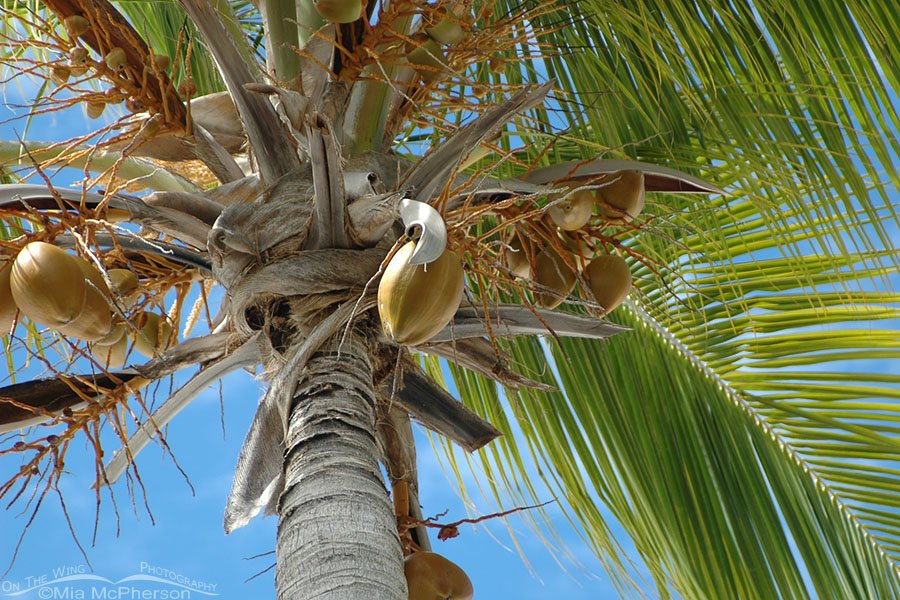
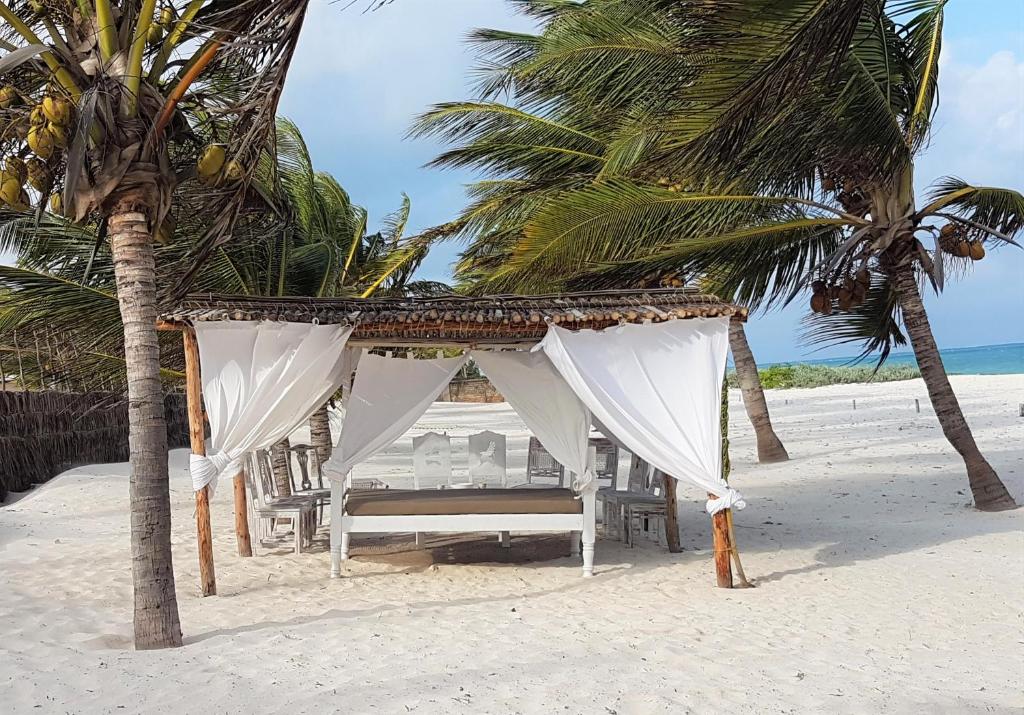
No tree is more closely associated with a tropical vacation than the coconut palm.
Towering above beaches and resorts, these graceful palms have become one of the defining images of the Caribbean.
Identification
Tall, slender trunk
Feather-like fronds
Large green or brown coconuts
Where You'll See Them
Beaches
Resorts
Parks
Coastal roads
Fun Fact
Despite their iconic status, coconut palms are believed to have been introduced to the Caribbean centuries ago and are not native to the Virgin Islands.
Royal Palm (Roystonea borinquena)
One of the tallest and most elegant palms on the island.
Identification
Smooth gray trunk
Bright green crownshaft
Massive feathery leaves
Often planted along roads, resort entrances, and public spaces.
Sea Grape (Coccoloba uvifera)
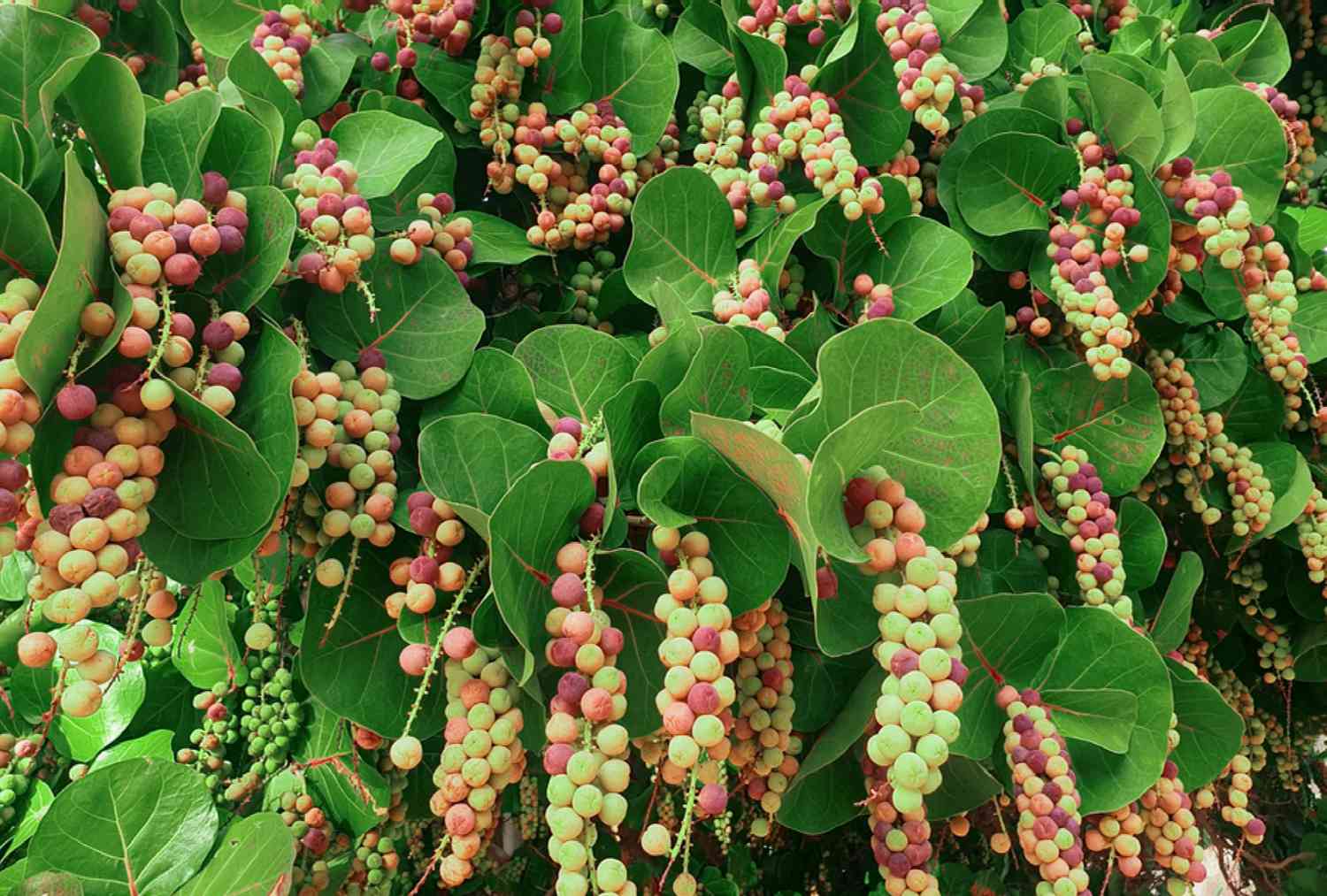
One of the Caribbean's most important coastal trees.
Identification
Large, nearly circular leaves
Red leaf veins
Clusters of grape-like fruit
Why It Matters
Sea grape trees stabilize beaches by helping reduce erosion while providing shade for beachgoers and habitat for birds.
Their fruit is edible and is sometimes used to make jelly or preserves.
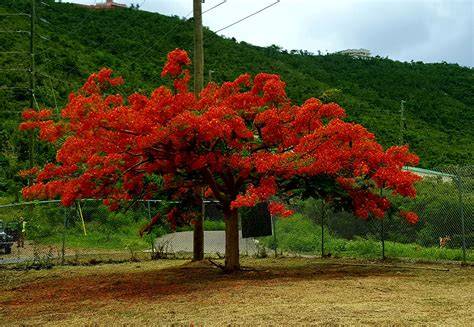
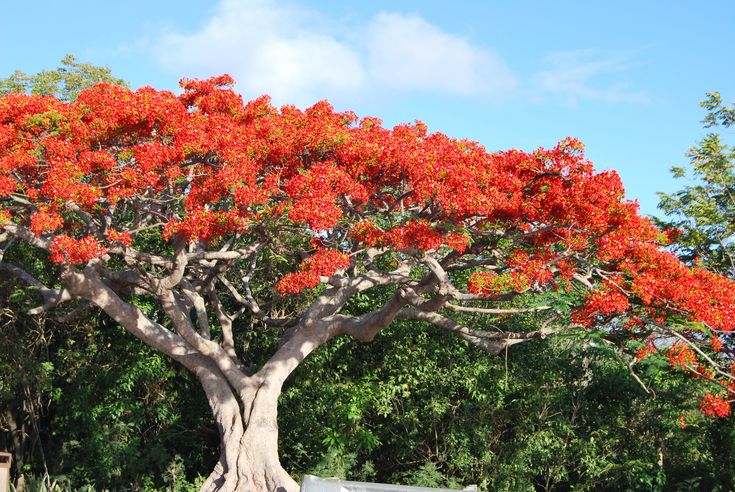
Flamboyant Tree (Delonix regia)
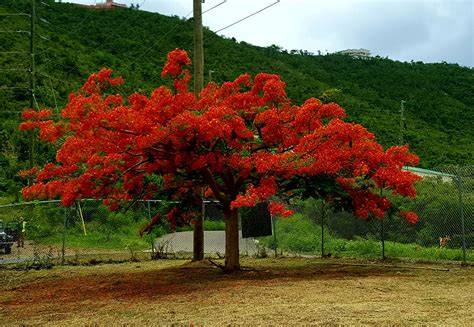
Few trees stop visitors in their tracks like the flamboyant tree.
When in bloom, its canopy explodes with brilliant red-orange flowers that seem to set the landscape on fire.
Identification
Wide umbrella-shaped canopy
Fern-like leaves
Bright scarlet flowers
Blooming season varies with rainfall but is often most impressive in late spring and summer.
Kapok Tree (Ceiba pentandra)
One of the largest trees found in the Caribbean.
Identification
Massive trunk
Buttress roots
Thick branches
Cotton-like seed fibers
Historically, kapok fibers were used to stuff life jackets and pillows.
Mahogany
Mahogany trees were introduced throughout the Caribbean because of their valuable hardwood.
Today, they provide shade, wildlife habitat, and striking avenues throughout parts of St. Thomas.
Fruit Trees You'll Encounter
Mango
Summer brings one of the island's favorite fruits.
Mango trees can be found growing in yards, along roadsides, and in public spaces.
The sweet fruit is enjoyed fresh, in smoothies, salsas, desserts, and juices.
Breadfruit
Introduced to the Caribbean in the late 1700s, breadfruit became an important staple crop.
Its starchy flesh can be roasted, fried, baked, or mashed, making it a versatile ingredient in Caribbean cuisine.
Tamarind
Tamarind pods contain a sweet-tart pulp used in sauces, candies, beverages, and traditional recipes throughout the Caribbean.
Soursop
Large green fruits covered with soft spines grow on small tropical trees.
The creamy white flesh has a unique flavor often described as a combination of strawberry, pineapple, and citrus.
Papaya
Papaya grows quickly in the Virgin Islands and produces fruit nearly year-round.
It's commonly enjoyed fresh at breakfast or blended into tropical drinks.
Beautiful Flowering Plants
Hibiscus
Perhaps the Caribbean's most recognizable flower.
Large blooms appear in shades of:
Red
Pink
Yellow
Orange
White
Individual flowers usually last only a day, but the plants bloom continuously throughout much of the year.
Frangipani (Plumeria)
Known for its unforgettable fragrance.
Frangipani flowers are commonly used in leis and bloom in stunning shades of white, yellow, pink, and red.
Many visitors first notice the scent before spotting the tree.
Bougainvillea
One of the brightest splashes of color on the island.
Its vibrant purple, magenta, orange, red, and white "flowers" are actually colorful leaves called bracts that surround tiny white flowers.
Bougainvillea thrives in St. Thomas' sunny, dry climate.
Bird of Paradise
Named for its resemblance to an exotic tropical bird in flight.
This striking ornamental plant is commonly found in resort gardens and landscaped public spaces.
Heliconia
Sometimes called lobster claws because of their unusual flower shape.
Their brilliant red, orange, and yellow blooms attract hummingbirds and add dramatic color to tropical gardens.
Cacti & Drought-Tolerant Plants
Not every part of St. Thomas is lush rainforest.
The island's dry forests support:
Prickly pear cactus
Century plants (agave)
Aloe
Various succulents
These plants are well adapted to periods of drought and intense sunshine.
Mangrove Trees
Mangroves are among the island's most valuable plants.
Growing in sheltered coastal waters, they:
Protect shorelines from erosion.
Filter pollutants.
Provide nursery habitat for fish.
Support birds, crabs, and countless marine organisms.
Though they may not be as visually dramatic as flowering trees, mangroves are essential to the health of both land and sea.
Best Places to Appreciate St. Thomas' Plant Life
Nature lovers don't have to venture far to enjoy the island's vegetation.
Excellent locations include:
Botanical gardens
Hiking trails
Coastal parks
Scenic overlooks
Resort gardens
Historic estates
Nature preserves
Even a drive across the island reveals remarkable changes in vegetation from coast to hilltop.
Fun Plant Facts
Sea grape leaves often turn brilliant shades of red before falling.
Flamboyant trees can produce thousands of flowers during a single blooming season.
Coconut palms can live for more than 70 years.
Mangroves can filter salt from seawater, allowing them to survive in coastal environments.
Some tropical flowers rely on hummingbirds and butterflies for pollination.
Frequently Asked Questions
Are coconuts safe to eat directly from the tree?
Fresh coconuts are edible, but visitors should never attempt to harvest them from tall palms.
What is the most colorful tree on St. Thomas?
The flamboyant tree is widely considered the island's most spectacular flowering tree.
Can you eat sea grapes?
Yes. The fruit is edible and is sometimes made into jams and jellies.
Why are there cactus plants on a tropical island?
Much of St. Thomas has a dry tropical climate with seasonal droughts, making cacti and succulents well suited to certain parts of the island.
Are the flowers blooming year-round?
Many tropical species bloom throughout the year, though peak flowering often depends on rainfall and seasonal conditions.
Continue Exploring
Discover more of St. Thomas' natural wonders:
Tropical Fruits of St. Thomas
Birds of St. Thomas
Wildlife of St. Thomas
Best Hiking Trails
Hidden Nature Spots
Ultimate Guide to St. Thomas
Final Thoughts
The landscapes of St. Thomas are every bit as memorable as its beaches. From the shade of towering sea grapes along the shoreline to the fiery blossoms of flamboyant trees and the sweet fragrance of frangipani drifting through the air, the island's plant life creates the backdrop for nearly every unforgettable vacation moment.
Taking the time to recognize these trees, flowers, and tropical plants adds another layer to your experience. You'll begin to notice that the beauty of St. Thomas isn't confined to the coastline—it's rooted in the rich and resilient landscapes that have shaped the island for centuries.