Wildlife of St. Thomas: A Complete Guide to the Island's Native Animals
Wildlife of St. Thomas: A Complete Guide to the Island's Native Animals
From Iguanas and Tree Frogs to Pelicans and Bats, Discover the Incredible Wildlife That Calls St. Thomas Home
Introduction
St. Thomas is known for its turquoise waters and white-sand beaches, but the island's wildlife extends far beyond the ocean.
Walk along a quiet hiking trail, relax beneath a sea grape tree, or explore the shoreline at sunset, and you'll likely encounter a surprising variety of animals. Green iguanas bask in the sunshine, tiny geckos cling to walls after dark, pelicans dive dramatically into the sea, and hummingbirds dart between tropical flowers. At night, tree frogs begin their chorus while bats silently patrol the skies in search of insects.
Although St. Thomas doesn't have dangerous land mammals like bears or large predators, its unique combination of tropical forests, rocky coastlines, mangrove wetlands, and dry scrub habitats supports a fascinating collection of native and introduced wildlife.
Whether you're a photographer, hiker, birdwatcher, or simply curious about the animals you'll encounter during your visit, this guide introduces the species that make St. Thomas one of the Caribbean's most rewarding destinations for nature lovers.
Why St. Thomas Has Such Diverse Wildlife
Despite its relatively small size, St. Thomas contains several distinct habitats.
These include:
Dry tropical forests
Rocky hillsides
Mangrove wetlands
Salt ponds
Coastal cliffs
Sandy beaches
Coral reefs
Seagrass meadows
Each environment supports different wildlife, creating remarkable biodiversity across the island.
Reptiles
Green Iguana
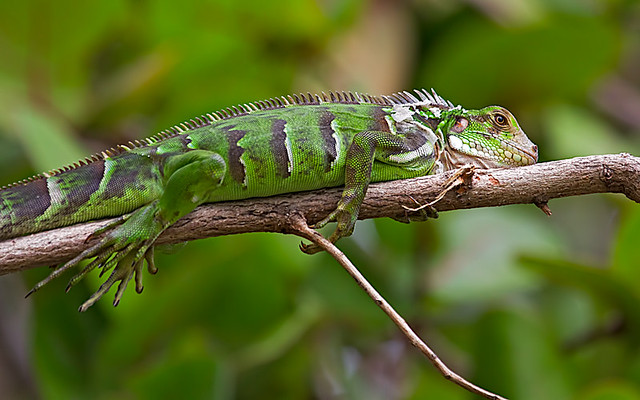
The green iguana is one of the first animals many visitors notice.
Although often called "green," adults may appear gray, orange, or even rusty brown depending on age, season, and breeding condition.
Identification
Long tail
Row of spines along the back
Large dewlap beneath the throat
Powerful climbing claws
Size
Adults can exceed 5 feet in length, with much of that length made up by the tail.
Where You'll See Them
Parks
Beaches
Resort grounds
Hillsides
Trees overlooking roads
Iguanas spend much of the day basking in the sun to regulate their body temperature.
Ground Lizards
Smaller native lizards dart across sidewalks, hiking trails, and rocky areas throughout the island.
They're quick, harmless, and play an important role in controlling insects.
Geckos
As the sun sets, geckos begin to emerge.
These tiny nocturnal lizards are commonly seen climbing walls, ceilings, and windows where porch lights attract insects.
Interesting Fact
Geckos can climb smooth glass thanks to millions of microscopic hairs on their toes.
Amphibians
Virgin Islands Tree Frog
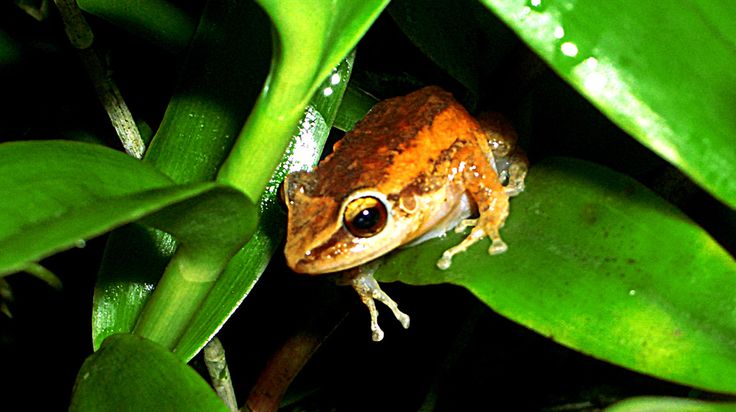
One of the island's signature nighttime sounds.
Although rarely seen, these tiny frogs become surprisingly vocal after sunset, especially following rain.
Their chorus provides the soundtrack for many evenings in St. Thomas.
Unlike many frogs found elsewhere, these species have adapted well to the island's warm tropical climate.
Mammals
Unlike many destinations, St. Thomas has very few native land mammals.
Most of the island's original mammals were bats.
Bats
Several bat species inhabit the Virgin Islands.
Although many people rarely notice them, bats perform valuable ecological services by:
Eating mosquitoes and other insects.
Pollinating flowers.
Dispersing seeds.
Watching bats emerge at dusk can be surprisingly entertaining.
Mongoose
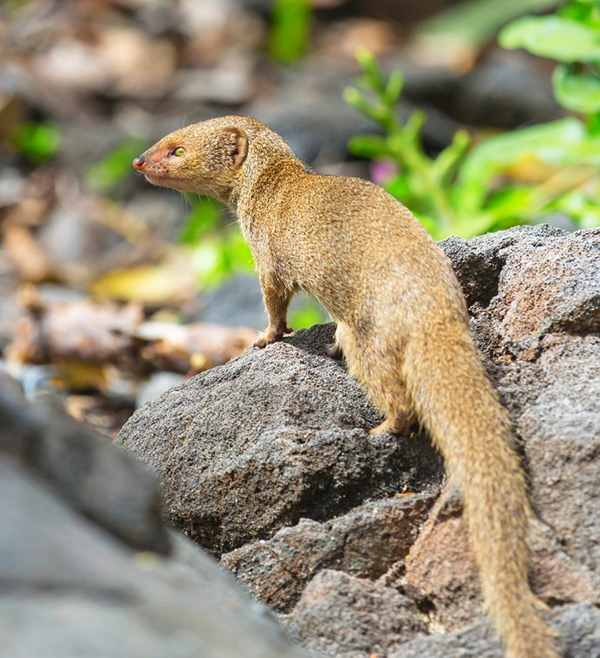
Introduced to the Caribbean in the 1800s to control rats on sugar plantations, the small Indian mongoose is now common throughout St. Thomas.
Identification
Long body
Short legs
Bushy tail
Brown-gray fur
Although they may appear friendly, mongooses are wild animals and should never be fed.
Land Crabs
During certain times of the year, land crabs emerge in impressive numbers.
These fascinating crustaceans spend much of their lives on land but return to the ocean to reproduce.
Drivers should be especially cautious during seasonal crab migrations, as roads near the coast may experience increased crab activity.
Birds You'll See Every Day
Even visitors who aren't birdwatchers quickly notice the variety of birds around St. Thomas.
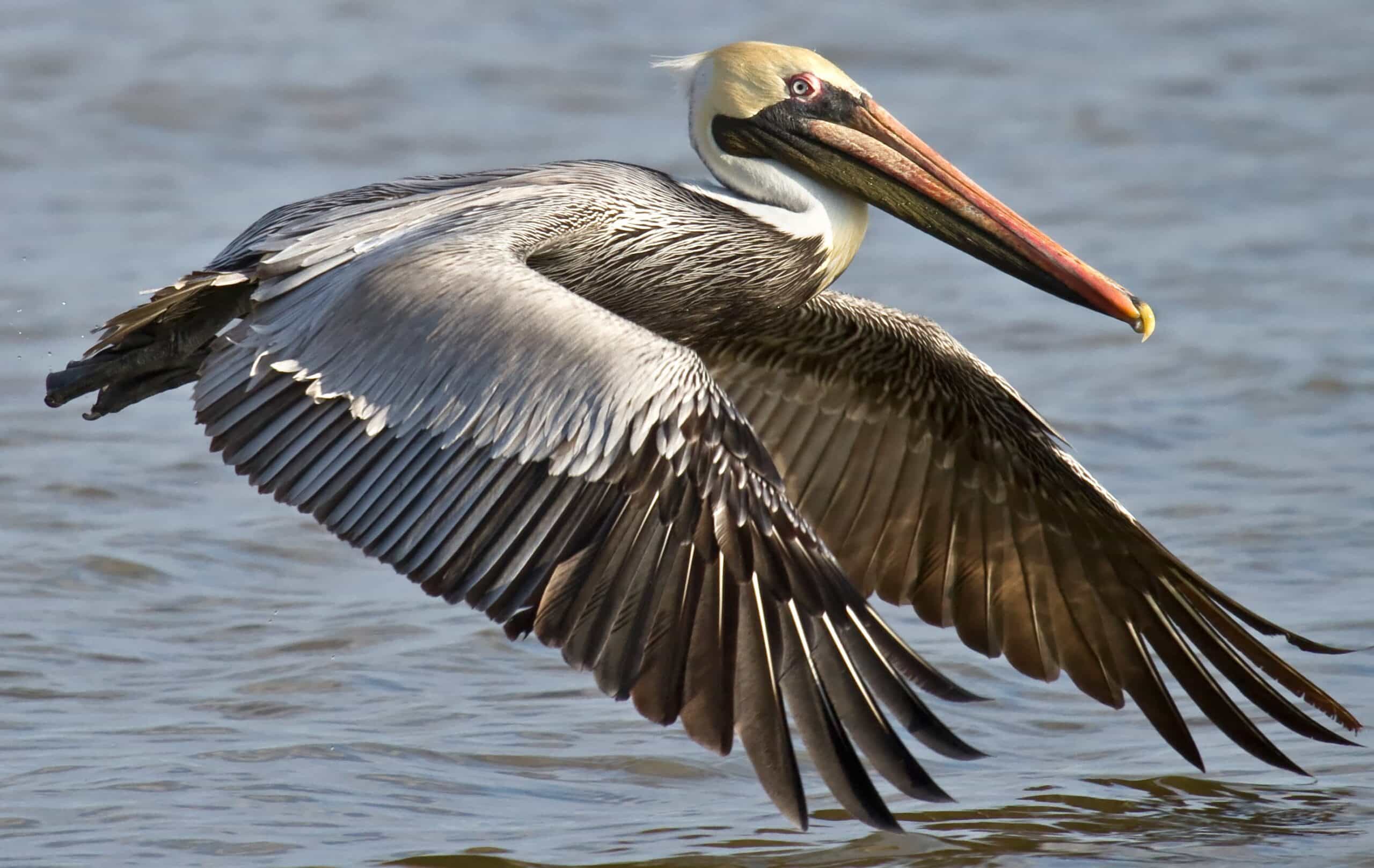
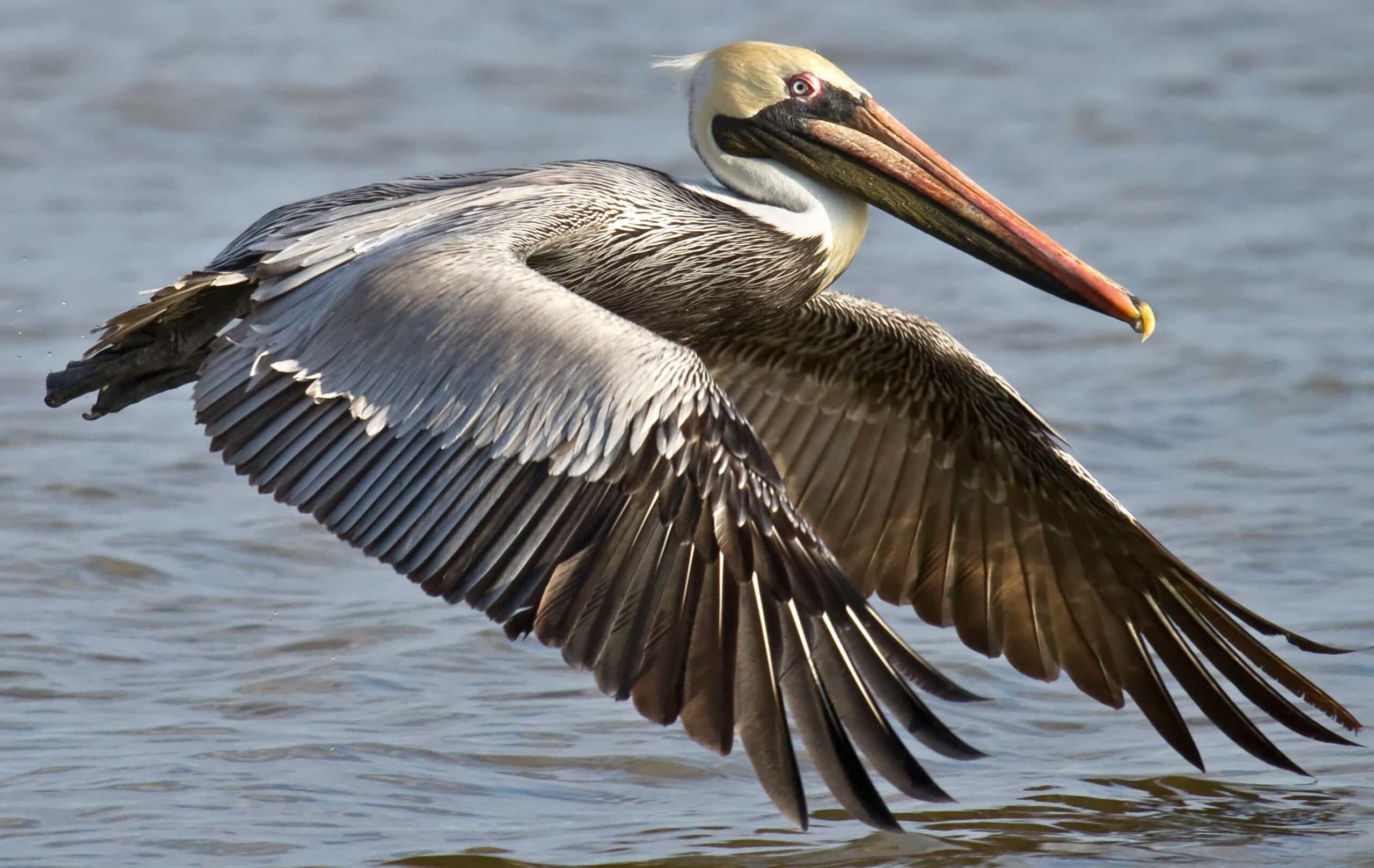
Brown Pelican
Perhaps the island's most recognizable seabird.
Watching a pelican dive headfirst into the ocean to catch fish is one of St. Thomas' classic coastal sights.
Wingspan
Up to 7 feet.
Magnificent Frigatebird
Easily identified by:
Extremely long wings
Deeply forked tail
Graceful soaring flight
Males display an inflatable red throat pouch during breeding season.
These birds often steal food from other seabirds rather than catching it themselves.
Bananaquit
Tiny, energetic, and colorful.
Bananaquits are among the most commonly seen backyard birds in St. Thomas.
They're especially fond of flowering plants and nectar.
Green-throated Carib
One of the Virgin Islands' native hummingbirds.
Watch for their incredible hovering ability around hibiscus, heliconia, and other tropical flowers.
Cattle Egret
Often seen walking through grassy areas searching for insects.
These white birds originally spread throughout the Caribbean from Africa.
Osprey
A skilled fish hunter frequently spotted soaring above the coastline.
Their dramatic dives into the ocean are impressive to witness.
Butterflies & Pollinators
The island's flowering plants attract numerous butterflies and pollinating insects.
Common visitors include:
Gulf fritillary
Monarch butterfly
Zebra longwing (occasional)
Sulphur butterflies
Butterflies are especially active during calm, sunny mornings.
Insects
Like any tropical destination, St. Thomas has plenty of insects.
Fortunately, most are harmless.
Visitors may encounter:
Dragonflies
Damselflies
Bees
Wasps
Ants
Beetles
Fireflies (occasionally)
Mosquitoes
Mosquitoes are generally most active around dawn, dusk, and after rainfall.
Using insect repellent is recommended when spending time outdoors during these periods.
Wildlife by Habitat
Beaches
Look for:
Pelicans
Laughing gulls
Sand crabs
Shorebirds
Hiking Trails
You may encounter:
Iguanas
Geckos
Butterflies
Bananaquits
Tree lizards
Mangroves
Excellent habitat for:
Herons
Egrets
Crabs
Juvenile fish
Mangrove cuckoos (less common)
Gardens
Keep an eye out for:
Hummingbirds
Butterflies
Bees
Geckos
Bananaquits
Wildlife Photography Tips
Early morning and late afternoon offer the best natural light while many animals are at their most active.
A few tips:
Move slowly and quietly.
Use a telephoto lens when possible.
Avoid feeding animals to attract them.
Be patient—wildlife rewards those who wait.
How to Respect Wildlife
The best wildlife encounters happen when animals behave naturally.
Please remember:
Never feed wild animals.
Observe from a respectful distance.
Stay on marked trails.
Avoid disturbing nesting birds.
Never attempt to handle reptiles or amphibians.
Leave natural habitats exactly as you found them.
Frequently Asked Questions
Are there monkeys in St. Thomas?
No. Monkeys are not native to St. Thomas.
Are iguanas dangerous?
No. Iguanas are generally shy and prefer to avoid people.
Are there snakes?
Yes, but snakes are rarely seen and are not a concern for most visitors.
Are there poisonous spiders?
Dangerous spider encounters are extremely uncommon.
Will I see wildlife without hiking?
Absolutely. Many of the island's most recognizable animals can be seen around beaches, parks, resorts, gardens, and even restaurants with outdoor seating.
Continue Exploring
Learn more about the natural side of St. Thomas:
Birds of St. Thomas (Coming Soon)
Tropical Plants & Flowers of St. Thomas
Marine Life of St. Thomas
Best Hiking Trails
Hidden Nature Spots
Best Beaches in St. Thomas
Ultimate Guide to St. Thomas
Final Thoughts
Wildlife in St. Thomas is often subtle, rewarding those who slow down and pay attention. An iguana perched in a sea grape tree, a hummingbird hovering over a hibiscus flower, or a pelican diving into the sea can become just as memorable as any beach or scenic overlook.
By understanding the island's native animals and respecting their habitats, visitors gain a deeper appreciation for the natural world that makes St. Thomas more than just a beautiful destination. It's a living ecosystem where land and sea are connected, and every creature—from the smallest gecko to the largest sea turtle—plays a role in the island's story.