Tropical Fish of St. Thomas: A Complete Identification Guide
Tropical Fish of St. Thomas: A Complete Identification Guide
Everything You Need to Know About the Colorful Reef Fish You'll Encounter While Snorkeling and Diving in the U.S. Virgin Islands
Introduction
One of the greatest surprises for first-time visitors to St. Thomas isn't the beaches—it's what lies just beneath the surface.
Slip on a mask and snorkel, swim a few yards offshore, and you'll enter an underwater world filled with brilliant yellows, electric blues, shimmering silvers, and striking black-and-white patterns. Schools of fish weave effortlessly through coral formations, curious species investigate snorkelers from a distance, and hidden creatures emerge from rocky crevices when you least expect them.
The waters surrounding St. Thomas are home to hundreds of tropical fish species, ranging from tiny gobies just a few inches long to large predators like barracuda and tarpon. Whether you're exploring a shallow reef from the beach or venturing farther offshore on a private charter, every snorkel offers the chance to discover something new.
This guide introduces the most common fish you're likely to encounter, explains how to identify them, where to find them, and why each plays an important role in keeping Caribbean reefs healthy.
Why Are There So Many Fish Around St. Thomas?
St. Thomas sits in the heart of the Caribbean Sea, where warm water, healthy coral reefs, seagrass meadows, mangrove forests, and rocky coastlines create an ideal environment for marine life.
Each habitat supports different species:
Coral reefs provide food and shelter for colorful reef fish.
Seagrass beds attract grazing fish and juvenile species.
Mangrove roots protect young fish until they're large enough to move onto the reef.
Sandy bottoms are home to rays, goatfish, and bottom-dwelling species.
Open water supports larger predators and migratory fish.
Together, these ecosystems form one of the richest underwater environments in the Caribbean.
Fish at a Glance
Type | Common Species |
|---|---|
Angelfish | Queen Angelfish, French Angelfish, Gray Angelfish |
Tangs | Blue Tang, Ocean Surgeonfish |
Parrotfish | Stoplight, Princess, Queen Parrotfish |
Butterflyfish | Foureye, Banded, Spotfin |
Wrasses | Bluehead Wrasse, Spanish Hogfish |
Grunts | French Grunt, Bluestriped Grunt |
Snappers | Yellowtail Snapper, Schoolmaster |
Triggerfish | Queen Triggerfish, Ocean Triggerfish |
Predators | Great Barracuda, Tarpon, Jacks |
Bottom Fish | Goatfish, Flounder, Gobies, Blennies |
Angelfish
Among the most beautiful fish in the Caribbean, angelfish are often the stars of underwater photographs.
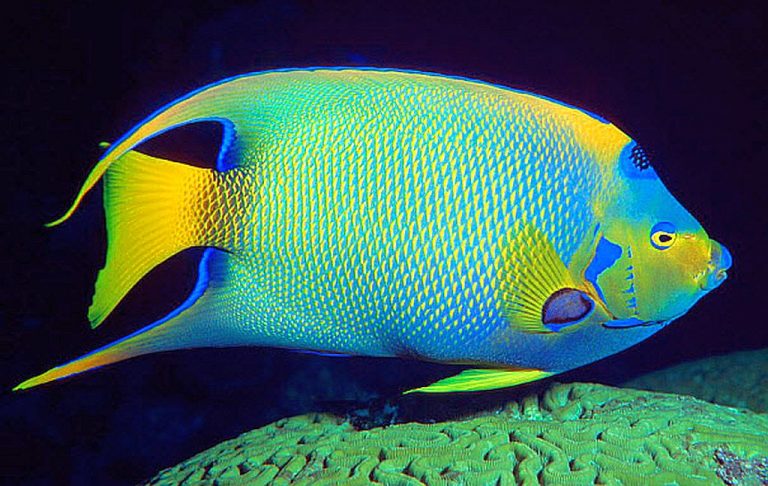
Queen Angelfish
The Queen Angelfish is one of the most recognizable reef fish in St. Thomas.
Identification
Electric blue body
Bright yellow tail
Neon blue highlights
Blue "crown" marking on the forehead
Size
8–18 inches
Habitat
Coral reefs
Rocky ledges
Reef drop-offs
Interesting Fact
Young queen angelfish often work as "cleaner fish," removing parasites from larger fish before transitioning to a sponge-based diet as adults.
French Angelfish
Slightly darker than the queen angelfish.
Identification
Black body
Yellow-edged scales creating a net-like pattern
Yellow around the eyes
Bright yellow pectoral fins
Often seen swimming in pairs.
Tangs & Surgeonfish
These algae-eating fish are essential for healthy coral reefs.
Without them, algae would quickly overgrow coral.
Blue Tang
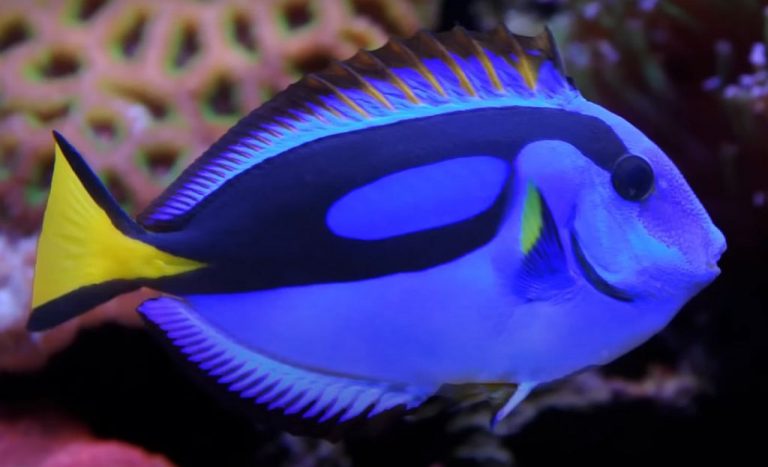
Made famous by Disney's Finding Nemo, the Blue Tang is one of the most photographed fish in St. Thomas.
Identification
Bright royal blue body
Yellow tail
Black "palette" design along the body
Habitat
Coral reefs
Reef slopes
Protected bays
Diet
Algae
Why They're Important
By constantly grazing algae, blue tangs help coral reefs stay healthy.
Ocean Surgeonfish
Often confused with blue tangs.
Unlike blue tangs, they appear gray or brown with blue highlights depending on the lighting.
Parrotfish
If you hear crunching underwater...
A parrotfish is probably eating coral.
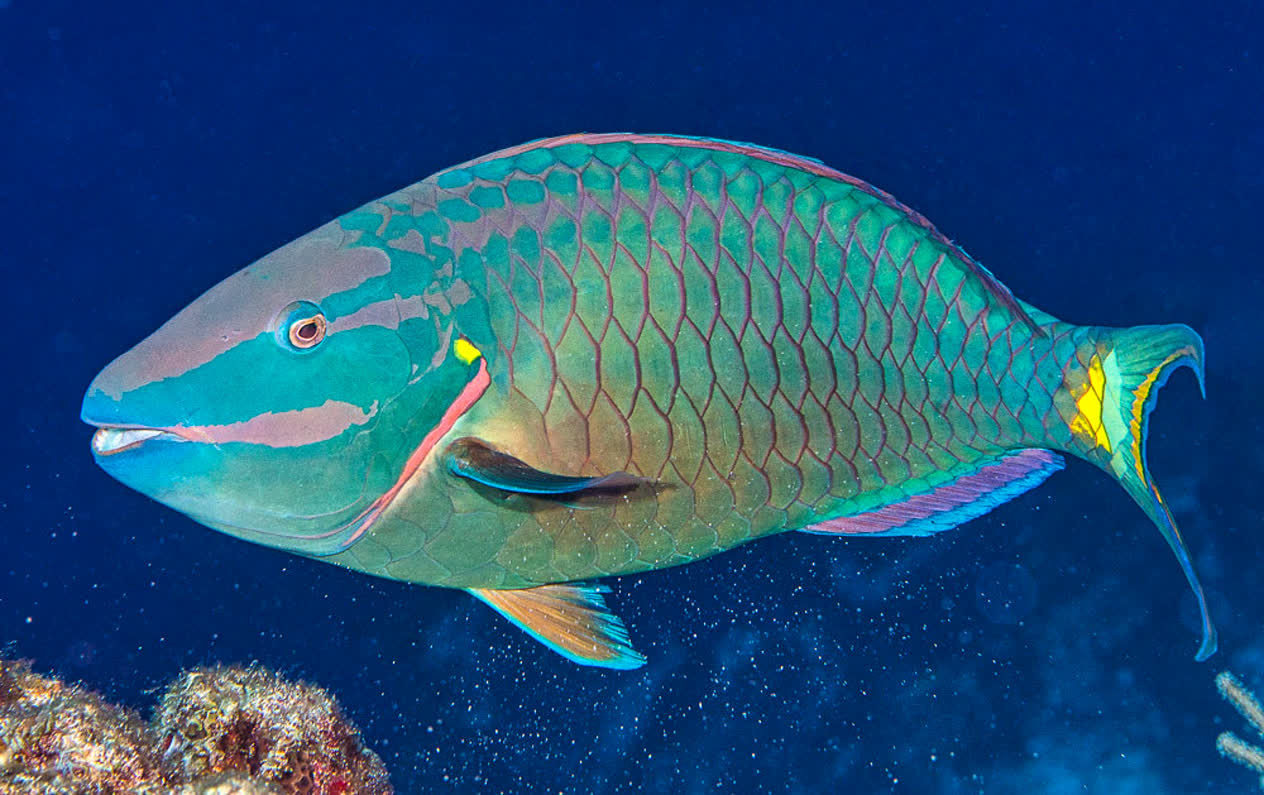
Stoplight Parrotfish
One of the largest reef fish visitors commonly encounter.
Identification
Adults display stunning combinations of:
Turquoise
Green
Pink
Yellow
Interesting Fact
Parrotfish bite algae from coral using fused teeth that resemble a parrot's beak.
The coral they consume is ground into fine sand and later expelled, meaning these fish literally help create Caribbean beaches over time.
Princess Parrotfish
Smaller and more colorful than many other parrotfish species.
Frequently seen grazing in shallow water.
Butterflyfish
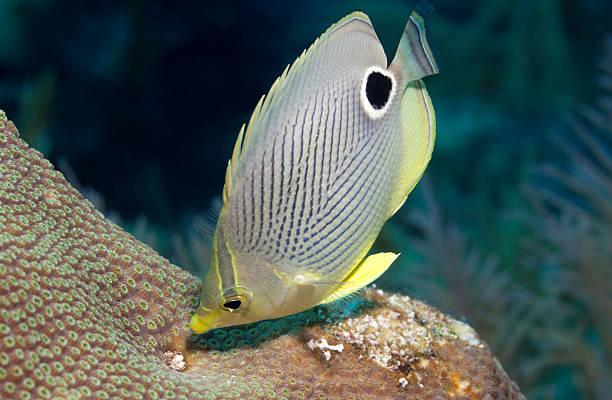
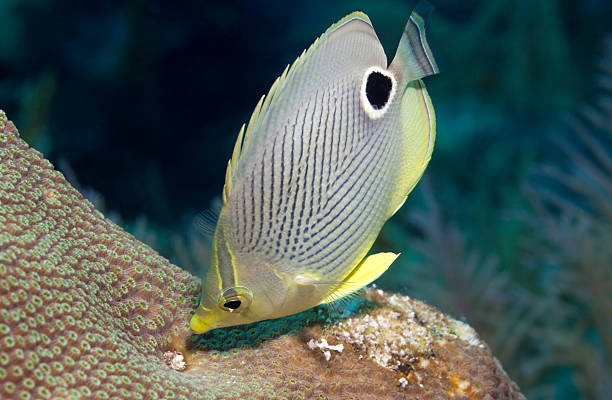
Butterflyfish are among the easiest fish for beginners to identify because of their thin, disk-shaped bodies and bold patterns.
Foureye Butterflyfish
Identification
Yellow body
Black eye stripe
Large black spot near the tail resembling a second eye
The fake eye confuses predators.
Banded Butterflyfish
Distinct vertical black bands across a bright yellow body.
Often swims in pairs.
Wrasses
Wrasses are constantly moving, making them fun to watch.
Bluehead Wrasse
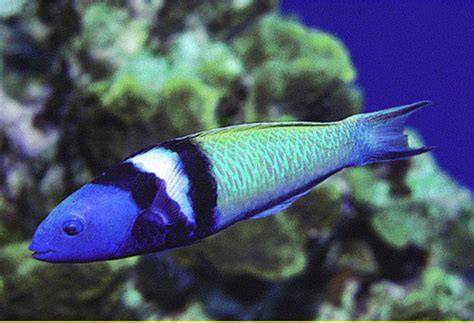
One of the most common reef fish.
Identification
Adult males:
Bright blue head
Green body
Juveniles:
Yellow with a black stripe
Interesting Fact:
Bluehead wrasses can change sex during their lifetime depending on social conditions.
Grunts
Named for the grunting sounds they produce by grinding their teeth together.
French Grunt
Often seen in large schools.
Identification
Silver body
Yellow horizontal stripes
Usually shelter beneath coral ledges during the day.
Bluestriped Grunt
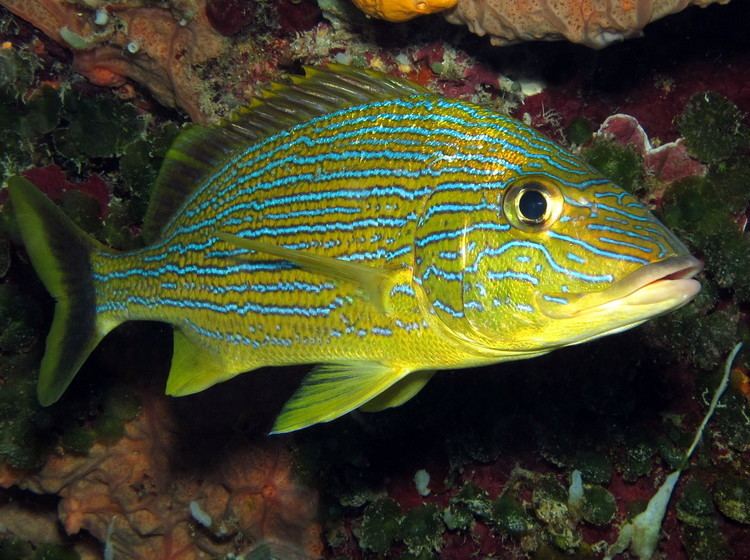
Very similar to the French grunt but with distinctive blue and yellow striping.
Snappers
Snapper species become more active around dawn and dusk.
Yellowtail Snapper
Identification
Bright yellow stripe
Yellow tail
Silver-blue body
Often found schooling above reefs.
Schoolmaster Snapper
Larger than yellowtail snappers.
Recognizable by their bronze coloration and yellow fins.
Triggerfish
One of the Caribbean's most unusual-looking fish.
Queen Triggerfish
Identification
Turquoise lines
Yellow highlights
Deep, compressed body
The Queen Triggerfish is the territorial fish of the U.S. Virgin Islands and appears on the territory's license plates.
Predatory Fish
Large fish help keep reef ecosystems balanced.
Great Barracuda
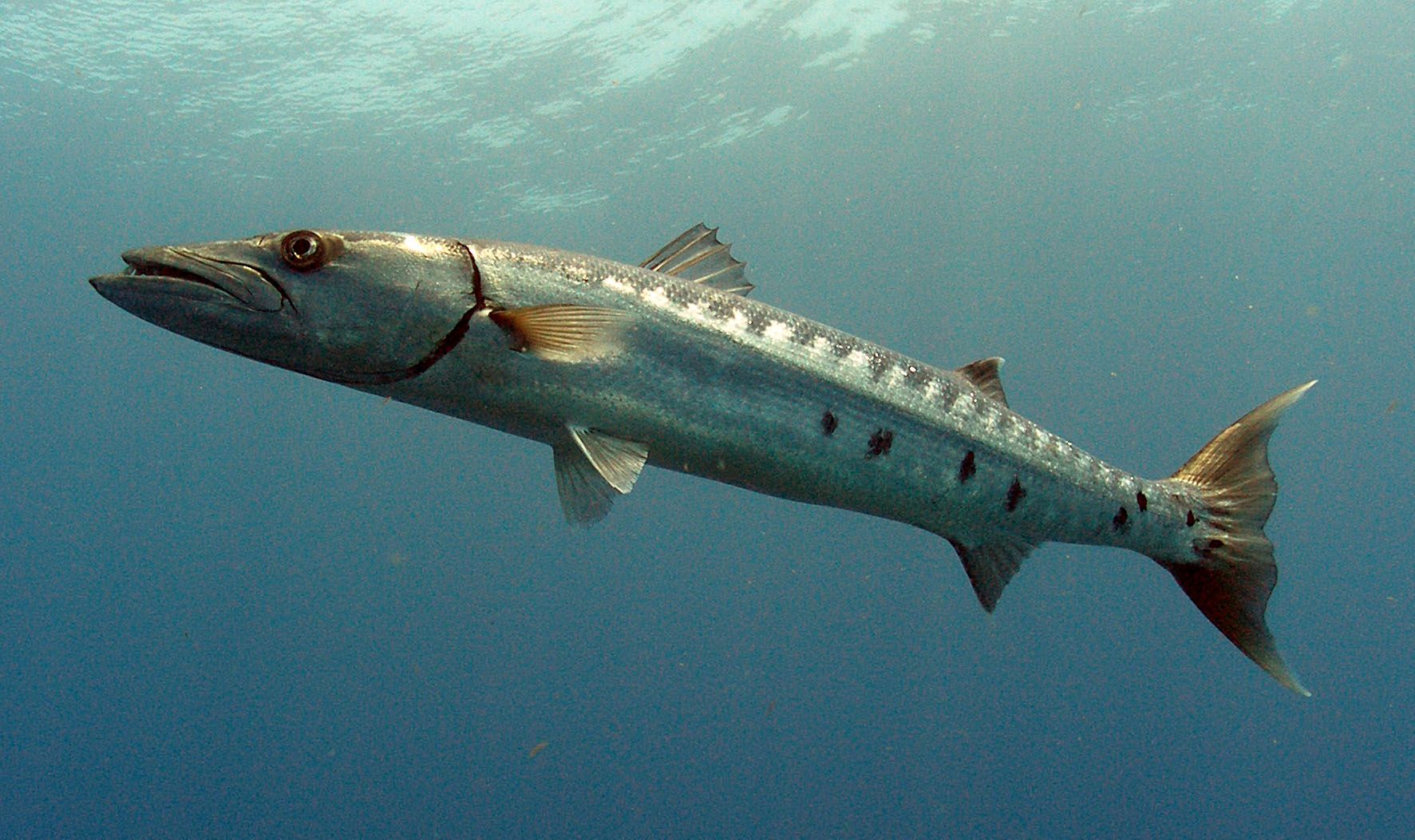
Don't panic if you see one.
Barracudas often remain motionless, observing their surroundings.
Identification
Long, silver body
Large mouth
Sharp teeth
Despite their intimidating appearance, attacks on snorkelers are extremely rare.
Tarpon
One of the largest fish commonly seen around harbors and marinas.
Can exceed:
6 feet long
200 pounds
Known for spectacular leaps when hooked by anglers.
Bottom-Dwelling Fish
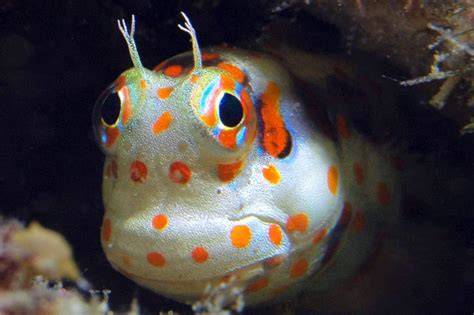
Some of the reef's most interesting fish spend little time swimming.
Goatfish
Recognizable by the whisker-like barbels beneath their chin.
These sensory organs help them locate food hidden beneath the sand.
Gobies
Tiny fish often overlooked by casual snorkelers.
Many form fascinating partnerships with shrimp, sharing burrows and acting as lookouts.
Blennies
Curious little fish that peek from holes in rocks and coral.
Patient snorkelers often find them watching from tiny crevices.
Fish Behavior Worth Watching
The reef isn't just colorful—it's constantly alive with fascinating interactions.
Cleaning Stations
Small cleaner fish remove parasites from larger fish that patiently wait their turn.
Schooling
Fish swim together to reduce the risk of predation and improve feeding efficiency.
Camouflage
Many reef fish can change color to blend into their surroundings, making them surprisingly difficult to spot.
Territorial Displays
Damselfish fiercely defend small patches of algae, often chasing away fish many times their size.
Where to See the Most Tropical Fish
Coral Reefs
The greatest diversity of species can usually be found around healthy coral formations.
Rocky Shorelines
Ideal for observing blennies, wrasses, angelfish, and juvenile fish.
Seagrass Meadows
Excellent for juvenile reef fish, goatfish, and schools of grunts.
Boat Charters
Exploring multiple snorkeling sites in one day exposes visitors to a wider variety of habitats and species.
Fish You Should Never Touch
While most tropical fish are harmless, visitors should avoid touching any marine life.
Never handle:
Triggerfish
Barracuda
Lionfish (invasive and venomous)
Scorpionfish
Porcupinefish
Puffers
Even harmless fish should be admired from a respectful distance.
Tips for Identifying Fish While Snorkeling
Look at body shape before color.
Notice where the fish is swimming.
Watch how it feeds.
Observe whether it travels alone or in schools.
Move slowly, many fish become more curious when you remain calm.
Frequently Asked Questions
What is the most common fish in St. Thomas?
Bluehead wrasses, sergeant majors, grunts, parrotfish, and blue tangs are among the species most frequently seen by snorkelers.
Are tropical fish dangerous?
The vast majority are harmless and more interested in avoiding people than approaching them.
Can I feed the fish?
No. Feeding fish alters their natural behavior and can disrupt the reef ecosystem.
Why are tropical fish so colorful?
Bright colors help fish identify mates, defend territories, blend into coral habitats, and communicate with one another.
Continue Exploring
Want to learn even more about the underwater world of St. Thomas?
Next guides in this series include:
Coral Reefs of St. Thomas
Sea Turtles of St. Thomas
Sharks & Rays of St. Thomas
Marine Life of St. Thomas
Best Snorkeling Spots in St. Thomas
Private Boat Charters for Wildlife Viewing
Final Thoughts
Every reef in St. Thomas tells a different story. One snorkel might reveal a school of shimmering yellowtail snappers, while the next brings you face-to-face with a brilliantly colored queen angelfish or a parrotfish quietly shaping the island's future beaches one bite at a time.
The more you learn to recognize these fish, the more rewarding every swim becomes. Instead of seeing "a lot of colorful fish," you'll begin to recognize the reef as a thriving community where every species—from the smallest goby to the largest barracuda—plays a vital role in one of the Caribbean's most spectacular marine ecosystems.