
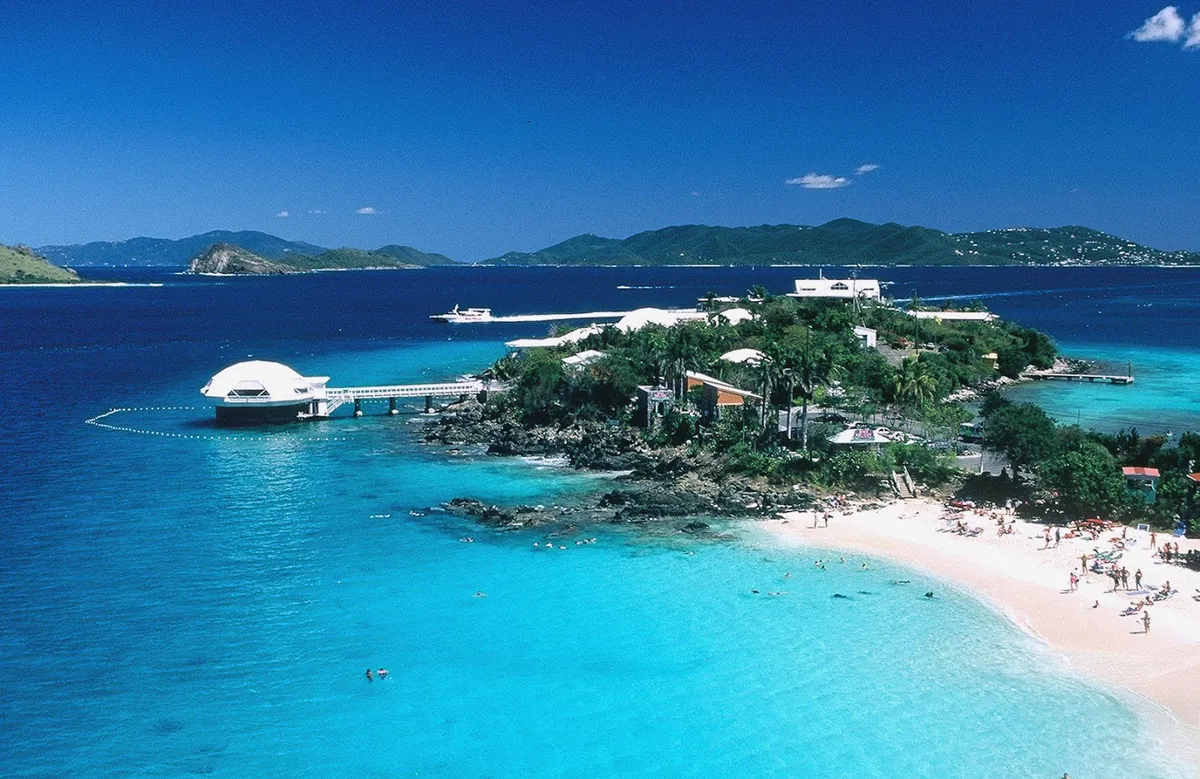
Planning Your First Trip to St. Thomas: A Complete Guide
Planning your first trip to St. Thomas? This isn’t another attraction list. Think of it as your practical, on-the-ground St. Thomas Guide packed with the tiny details, Island Travel Advice, and first-time visitor tips you wish you’d known before you landed.
How Cyril E. King Airport Actually Works
St. Thomas is served by Cyril E. King Airport (STT), a small but busy Caribbean hub about two miles west of Charlotte Amalie. Everything is on essentially one level, and there are no jet bridges—you’ll walk down stairs and across the tarmac to the terminal. With around 861,000 departing passengers a year and heavy seasonal traffic, lines can feel intense for such a compact space, especially in the afternoons.
Ticket counters are cashless and usually open about three hours before departure. There’s TSA PreCheck but no curbside check-in, so build in time to queue. Airlines and the airport both recommend arriving three hours early for flights home. Ongoing runway rehabilitation means some late-night work, but it rarely affects daytime arrivals and departures—just expect occasional construction equipment in the distance.
Where to Stay: East, West, or In-Between?
First-time visitors often agonize over which side of the island to stay on. Here’s simple Island Travel Advice:
East End (Red Hook area): Best if you plan to ferry to St. John often. You’ll be close to restaurants, bars, and the main passenger ferry dock, but a bit farther from the airport and town traffic.
Northside / Magens Bay area: Lush, scenic, and quieter. Great for views and beaches, but you’ll drive more for groceries and dining.
Charlotte Amalie / Harbor area: Convenient for shopping and cruise excursions, but busier and more urban.
If you’re a true first-timer without a car, staying near Red Hook or in a resort with on-site amenities usually makes logistics easier.
Left-Side Driving & Taxi Etiquette in St. Thomas
St. Thomas drives on the left side of the road, in American-style vehicles with the steering wheel on the left. The combination feels odd at first. Roads are hilly, narrow, and full of blind curves. If you’re nervous, skip the rental and rely on taxis for your first visit.
Most taxis are open-air safaris with bench seating. Taxi Etiquette St. Thomas basics:
Fares are per person and published; always confirm the price before you get in.
Shared rides are normal—expect multiple groups on one vehicle.
Cash is king; some drivers take cards, but don’t count on it.
Ride-shares like Uber and Lyft are not widely available, so plan around taxis or a rental car if you’re comfortable with left-side driving.
Groceries, Cell Service, and Everyday Basics
You’ll find several full-size grocery stores (like Cost U Less, Food Center, and Pueblo) plus smaller markets. Prices are higher than the mainland, but stocking up on breakfast items, snacks, and drinks can still save you a lot over resort menus—especially for families.
For cell service, major U.S. carriers (AT&T, Verizon, T‑Mobile) treat St. Thomas as domestic, though coverage can be patchy in some hilly or remote areas. Check your plan, but most visitors use their phones exactly as at home—no roaming surprises as long as you stay on the U.S. Virgin Islands network and don’t connect to towers in the nearby British Virgin Islands.
A few smart apps and local tips make navigating St. Thomas surprisingly simple.
Weather, Mosquitoes, and What to Pack
St. Thomas is warm year-round, with typical highs in the upper 80s to low 90s °F and nights in the upper 70s. October, for example, averages around 89–91 °F by day and 78–82 °F at night, with humid trade winds and brief tropical showers rather than all-day rain, according to long-term data near Cyril E. King Airport (timeanddate.com; accuweather.com). Pack light, breathable clothing and a compact rain jacket or umbrella.
Mosquitoes can be present year-round, especially after rain or in lush areas. Bring (or buy) repellent containing picaridin or oil of lemon eucalyptus, and consider long sleeves for evenings. Many accommodations have screens, but it’s smart to keep doors closed and avoid leaving standing water on balconies.
Money, Currency, and Tipping Norms
St. Thomas uses the U.S. dollar, and most places accept major credit cards. Small, cash-only vendors still exist, so carry some small bills for taxis, beach chairs, and roadside snacks.
Tipping expectations are similar to the mainland U.S.: 15–20% at restaurants, a few dollars per bag for porters, and $2–$5 per person for short taxi rides (or 15–20% of the fare on longer trips). For hotel housekeeping, $3–$5 per night is appreciated.
Ferries, Beach Etiquette Tips, and Reef-Safe Sunscreen
Ferries are a big part of island life. From Red Hook, passenger boats run frequently to Cruz Bay, St. John, with off-season hourly schedules and clear resident/non-resident pricing. There are also routes to Water Island, St. Croix, and the British Virgin Islands; schedules change seasonally, so always confirm times and arrive at least 15 minutes early (ferryriders.com; viport.com; bvitourism.com).
On the beach, basic Beach Etiquette Tips go a long way:
Don’t plant chairs or umbrellas directly in front of someone already set up.
Keep music at a respectful volume; not everyone wants a party.
Never stand or walk on coral; it’s fragile and easily damaged.
St. Thomas strongly encourages reef-safe sunscreen. Look for mineral formulas with non-nano zinc oxide or titanium dioxide and avoid oxybenzone and octinoxate, which harm coral reefs. Apply at your hotel so excess doesn’t wash straight into the water.
What Surprises People Most & Common Mistakes
First-time visitors are often surprised by how hilly and winding the roads are, how long simple drives can take, and how strong the sun feels even when it’s cloudy. Many also don’t expect grocery prices to be so much higher than at home.
Common mistake #1: Overpacking activities and underestimating travel time between them.
Common mistake #2: Forgetting to reapply sunscreen and getting burned on day one.
Common mistake #3: Not booking ferry or taxi transfers with enough buffer before flights.
Sample Budgets & Essential Travel Apps
Costs vary widely, but these rough daily budgets (per person) can help first-time visitors plan:
Budget: $120–$180 (guesthouse or budget hotel, shared taxis, a mix of groceries and casual meals, one paid activity every few days).
Mid-range: $200–$350 (resort or condo, regular taxis or car rental, restaurant meals, a couple of excursions).
Luxury: $400+ (high-end resort, private tours, boat days, spa, and fine dining).
A few Essential Travel Apps make everything smoother:
Offline maps (Google Maps or Maps.me) for navigating hilly roads without signal.
Ferry schedule sites or apps bookmarked in your browser for up-to-date times.
Weather apps focused on the Caribbean so you can track showers and plan beach time.
Your First Visit, Done Right
With the right St. Thomas Guide, a few first-time visitor tips, and some simple Beach Etiquette Tips, your first trip can feel far less chaotic and far more like the relaxed island escape you imagined. Arrive early at the airport, respect the reefs and local customs, budget realistically, and lean on this Island Travel Advice so the only surprises are the good kind—like how quickly you’ll start planning your return.
Best Time to Visit St. Thomas
The "best" time to visit depends on what matters most to you. Weather, crowds, prices, and water conditions all change throughout the year, and each season has its own advantages.
Here's a quick overview:
If you want... | Best Time to Visit |
Perfect weather | December–April |
Fewer crowds | Late April–June |
Best hotel deals | August–October |
Warmest water | July–October |
Best snorkeling visibility | May–August |
Whale watching nearby | January–March |
Sailing & boating | November–June |
Festivals & local events | December–April |
Budget-friendly travel | September–October (with weather awareness) |
Rather than focusing on one "perfect" month, think about what matters most to your trip. A honeymoon, a family vacation, and a scuba diving adventure may each have a different ideal season.
Understanding the Seasons
Unlike destinations with dramatic seasonal changes, St. Thomas experiences a tropical climate that stays comfortably warm throughout the year. Instead of four traditional seasons, visitors generally think of the year in terms of peak season, shoulder season, and low season.
Peak Season (December through April)
This is the Caribbean many travelers picture in their minds.
Sunny skies, lower humidity, refreshing trade winds, and comfortable temperatures make these months the busiest time of year. Visitors escaping colder climates flock to the Virgin Islands to enjoy ideal beach weather and calm seas.
Average daytime temperatures range from 78°F to 84°F (26°C to 29°C), while evenings remain pleasantly warm without feeling overly humid.
This is also when you'll find the liveliest atmosphere, with restaurants, charter boats, and attractions operating at full capacity.
Best For
First-time visitors
Families on winter break
Couples
Beach vacations
Sailing
Island hopping
Outdoor dining
Keep in Mind
Peak season also brings the highest demand. Flights, accommodations, and excursions often book well in advance, and popular beaches can become crowded, especially on cruise ship days.
If you're traveling between Christmas and Easter, reserve accommodations and activities as early as possible.
Shoulder Season (Late April through June)
Many experienced travelers consider this the sweet spot.
The weather remains beautiful, the water begins warming up, and visitor numbers start to decline after spring break.
With fewer crowds and slightly lower prices, it's easier to enjoy beaches, restaurants, and attractions without the bustle of peak season.
Snorkeling conditions are often excellent during this time thanks to calmer seas and improved underwater visibility.
Best For
Couples
Photographers
Snorkeling
Boat charters
Relaxed vacations
Better hotel values
Why We Love It
If you asked many locals to choose one season for ideal balance, this would likely be near the top of the list. You still enjoy excellent weather while avoiding much of the winter rush.
Summer (July through August)
Summer in St. Thomas is warm, vibrant, and full of life.
Air and water temperatures climb into the mid-to-upper 80s, making it an ideal time for anyone who plans to spend most of their vacation swimming, snorkeling, or boating.
Afternoon showers become a little more common, but they're often brief and followed by sunshine.
Families visiting during summer vacation help keep the island lively, though crowds are generally lighter than during winter.
Best For
Families
Water sports
Snorkeling
Scuba diving
Swimming
Budget-conscious travelers
Low Season (September through November)
This period often surprises visitors.
Yes, it's hurricane season, but it's also when you'll find some of the year's lowest prices on hotels, villas, and flights.
Many days remain sunny and beautiful, though travelers should monitor weather forecasts and consider purchasing travel insurance.
If flexibility is important and you're comfortable with a little uncertainty, this season can offer tremendous value.
Best For
Budget travelers
Repeat visitors
Flexible schedules
Long stays
Remote workers
Which Season Is Right for You?
Choosing the right time to visit isn't about finding the "best" month: it's about finding the month that best fits your travel goals.
Choose Peak Season if you...
Want consistently beautiful weather
Don't mind paying more
Prefer lively restaurants and nightlife
Are visiting for the first time
Plan to explore several islands
Choose Shoulder Season if you...
Want excellent weather with fewer crowds
Enjoy photography and snorkeling
Prefer a quieter experience
Want more flexibility when booking activities
Choose Summer if you...
Love spending time in the water
Are traveling with children during school break
Want warm ocean temperatures
Don't mind an occasional afternoon shower
Choose Low Season if you...
Prioritize savings over perfect weather
Have flexible travel dates
Are comfortable monitoring tropical forecasts
Want to experience the island at its most peaceful
Captain's Tip
One of the biggest mistakes visitors make is assuming the beach will be crowded every day during peak season. While popular spots like Magens Bay and Coki Beach can get busy, especially when cruise ships are in port, you can often find peaceful coves and quieter stretches of sand just a short drive away. Better yet, spending a day on the water opens up access to beaches, snorkeling spots, and anchorages that many visitors never see.

Plan Your Day on the Water
Phoenix Island Charters runs private, captained day charters from Sapphire Beach Resort & Marina on St. Thomas, to St. John and the U.S. Virgin Islands or across to the British Virgin Islands.